
Our main service · Bath and nearby
Internal Cork Insulation in Bath
A thin, breathable AeroCork system for solid external walls, cold rooms and condensation-prone areas — with minimal loss of valuable floor space.
The problem
Cold solid walls need careful treatment
Older solid-wall homes can have internal wall surfaces that remain noticeably colder than the room air. That can make a room feel uncomfortable and create the conditions for surface condensation behind furniture, in corners and around windows.
Before recommending insulation, we distinguish cold-surface condensation from leaks, penetrating damp and other moisture problems. The right specification starts with the wall condition, not just the symptom.
The right solution
AeroCork, prepared and finished as one complete wall system
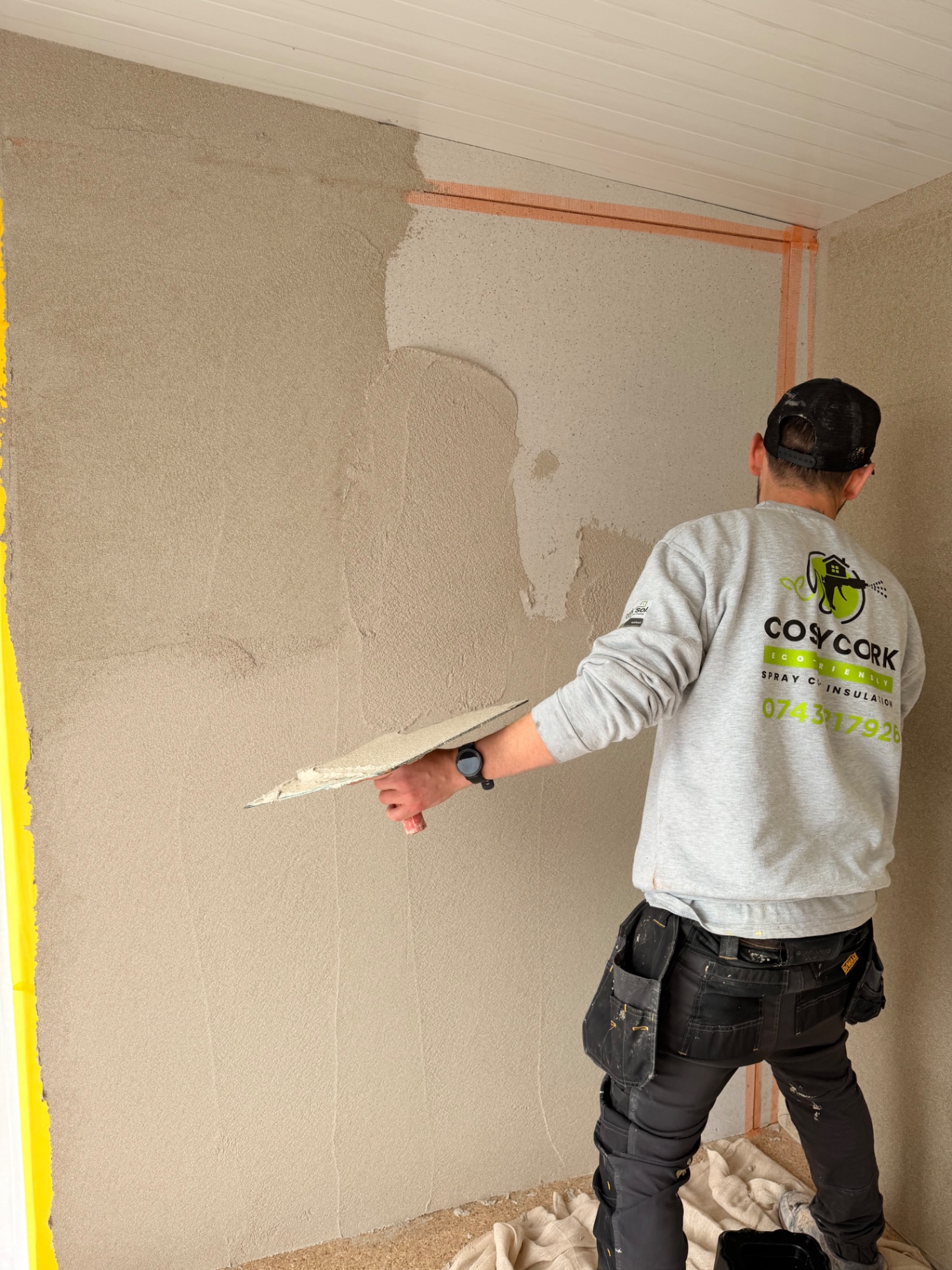
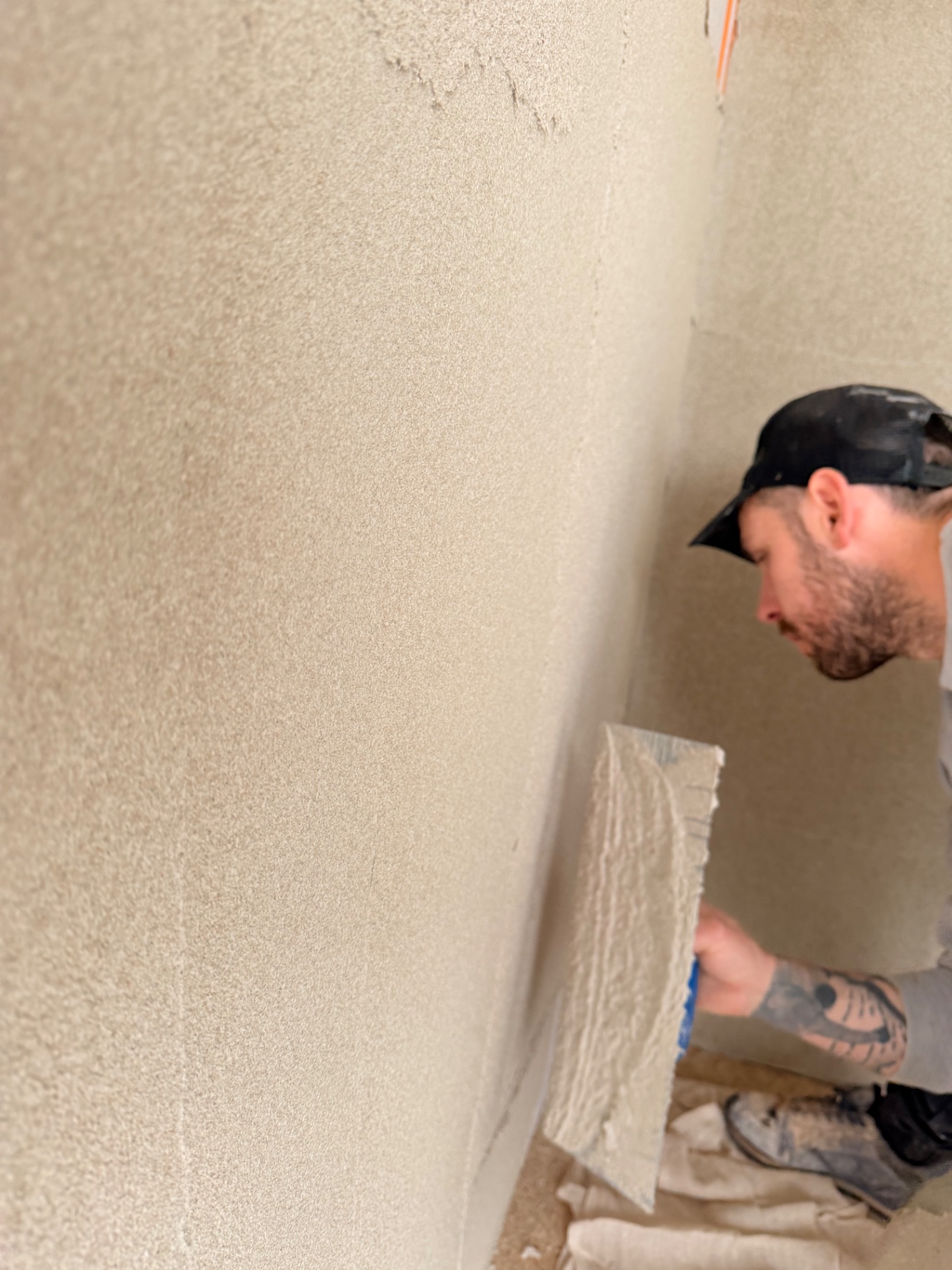
Where the wall is suitable, we prepare the background and normally apply two trowelled AeroCork coats to a combined thickness of approximately 3–6mm. A smooth plaster skim or compatible finish is then applied where appropriate.
The slim build-up follows awkward details, skirting lines and window reveals without taking the room depth required by thicker board systems. Natural cork is vapour permeable and offers thermal, acoustic and moisture-buffering qualities.
- Warmer-feeling internal wall surface
- Thin build-up with minimal room loss
- Breathable approach for suitable solid walls
- Useful around bays, reveals and awkward details
- Smooth decorative finish where specified
Where it fits
Properties and areas this can suit
- Georgian, Victorian and older solid-wall homes
- Bedrooms and living rooms with cold external walls
- Bay windows and narrow reveals
- Rooms where insulated plasterboard would take too much space
- Condensation-prone wall areas once other causes are considered
Honest advice
The cause still matters
AeroCork is specified for suitable, prepared backgrounds. If moisture patterns suggest water ingress, defective exterior finishes or another building fault, that should be addressed before insulation is applied.
How it works
A clear route from first photos to finished work
- 01
Photos and details
Send the postcode, affected walls and clear photographs for an initial view.
- 02
Wall assessment
We check construction, condition and likely moisture source before recommending a system.
- 03
Preparation and application
The background is prepared and the specified cork system is applied around room details.
- 04
Finish and handover
The area is left tidy and you receive practical drying, decorating and aftercare guidance.
Costs
What affects the cost of cork insulation?
There isn't a meaningful one-price answer before the walls are understood. The estimate depends on a few practical details.
Send photos and your postcode through the estimate form and you will get a clearer written view for your job.
- The wall area and number of rooms
- The condition of what's already there and how much preparation it needs
- The wall background and whether defects need resolving first
- Access, floor level and how much has to be moved or protected
- Details around windows, bays, sockets and fitted joinery
Areas we cover
Working across Bath and the surrounding towns
Bath is our main patch. We also work out into the nearby Somerset and Wiltshire towns and the villages between them.
- Bath
- Warminster
- Frome
- Trowbridge
- Bradford-on-Avon
- Corsham
- Chippenham
- Keynsham
- Radstock
- Midsomer Norton
Questions homeowners ask
Common questions about internal aerocork insulation
How thick is the internal AeroCork system?+
A common specification uses two trowelled coats totalling roughly 3–6mm, followed by a suitable smooth finish where required. The final build-up depends on the wall and the chosen specification.
Will it take much space from the room?+
It is a thin system, so room loss is much smaller than with thick insulated plasterboard. It is useful where window reveals, skirtings or a tight room make depth important.
What happens around skirting, sockets and radiators?+
Those details are discussed before quoting. Some items may need removing, extending, easing forward or working around depending on the wall and the finish required.
Can it go over existing plaster?+
Only if the existing surface is sound and compatible. Loose, damp or unsuitable finishes need preparation or removal before a cork system is considered.
When can I decorate?+
Decorating depends on the chosen finish, room conditions and drying. We explain the recommended waiting period at handover.
Will AeroCork stop mould permanently?+
A warmer wall surface can reduce cold-surface condensation risk, but leaks, penetrating damp, heating patterns and ventilation must also be considered.
Does it replace full Building Regulations insulation?+
A thin cork coating is not presented as a replacement for a full high-performance insulation build-up. Its strength is improving surface comfort with minimal disruption and room loss.
Related help
- Cold wall and condensation solutions
Understand why cold surfaces and moisture need to be diagnosed together.
- Bay window insulation
A thin treatment for awkward bay details and reveals.
- See a real AeroCork project
Follow the preparation, application and finish on a Bath home.
Free estimate
Ask CosyCork about internal aerocork insulation
Send photographs, your postcode and a short description. We will assess whether this approach is worth exploring for your property.